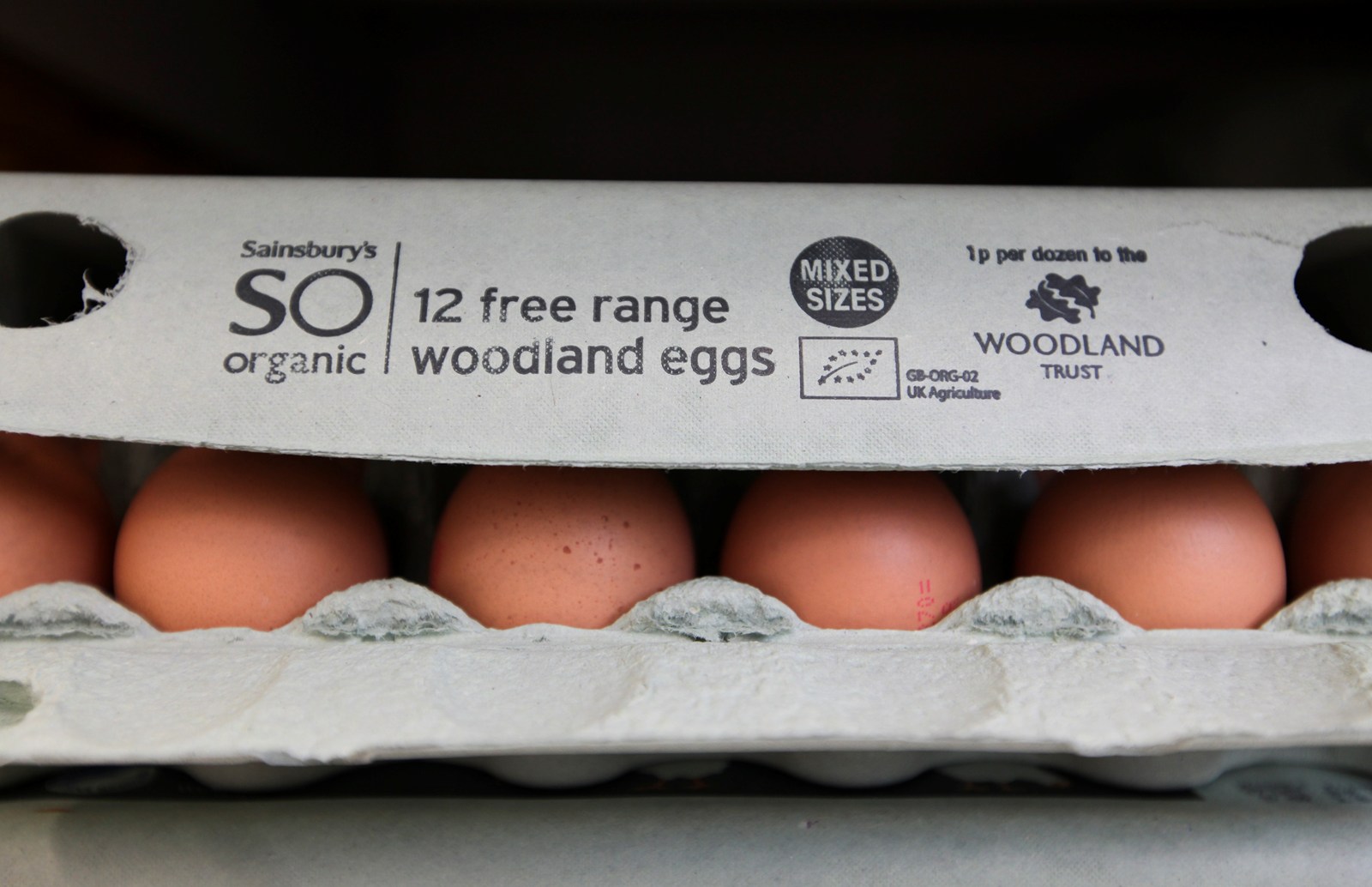
The Soil Association’s recently published Organic Market Report shows that sales of organic products fell by 1.5% in 2012.
There are pockets of strength, particularly where brands are
well known and promoted. Combined sales of specialist retailers Ocado, Abel and
Cole and Riverford Organics grew their sales by 10%. Rachel’s Dairy, noted for its yoghurts, grew
by 15% and Yeo Valley who sell a range of dairy products grew by 6.6%.
Under 35’s spent more
on organic products than ever before. Sales to catering outlets are up.
But some core markets still struggle. Supermarket sales of
pork, eggs, and poultry dropped by 30%, horticulture products (fruit and veg)
dropped by 8%, milk sales are down 4%, lamb down 2%, and beef down 1%.
So what of the future. The Soil Association admits that
difficult economic circumstances have hindered organic sales and we know that
money will be short for a few years yet. And herein lies the problem. Whilst many
consumers like the idea of buying organic, they struggle to convince themselves
that the organic premium is worth paying on a regular basis.
This nettle has to be grasped if supporters of organic
produce want to see sustained growth.
It is not enough for the Soil Association to chastise government
for not doing enough and lambast the big multiple retailers for turning their
back on organics.
The government cannot address the fundamental issue of consumer
demand. Scotland’s Organic Action Plan, cited by the Soil Association as a
template that the English government should follow, is helpful in that it
provides support for farmers to convert to organic and makes funds available
for businesses to promote their products. But the Scottish plan acknowledges that
at the end of the day it is consumers who are key to success.
Multiple retailers are close to consumers but in a low
growth, highly competitive environment they will not offer up precious shelf
space to products whose sales don’t justify it.
There are just two ways to overcome the consumer issue. Either, communicate a compelling reason to justify the organic premium –or -
reduce the premium.
The first route is difficult. The organic story is a
complicated one to tell, and getting across the idea that organic is an
integrated way of producing food is difficult when funds are limited and
consumers are used to picking up messages in sound bites or in 140 characters
on Twitter.
So is there any mileage in the second route, namely reduce
the price premium. This would be ideal because many consumers like the idea of
buying organic. Indeed some 80% do so, but too infrequently to affect growth.
Reducing the price premium requires increasing yields. And to increase yields requires solid science,
and science needs funding. At the moment there appears to be just one project
tackling production issues – a Duchy Originals sponsored initiative led by the
Soil Association with the help of the Organic Research Centre at Elm Farm.
Whilst welcome, its progress will be slow. Starting May 2012, it is
not due to complete its initial findings until May 2015. Only at this point
will it decide on research priorities.
Here is the question. Would the considerable funds
currently available across British governments, the EU, the Soil Association
itself, the industry groups Organic UK and the Organic trade Board be better spent on broadening and
speeding up scientific work.
This is not to overlook the task of communicating with consumers.This is probably most effective when done by strong, trusted brands. The success of Rachel's, Yeo Valley, and Riverford shows that when done well the organic story translates into solid sales growth.
